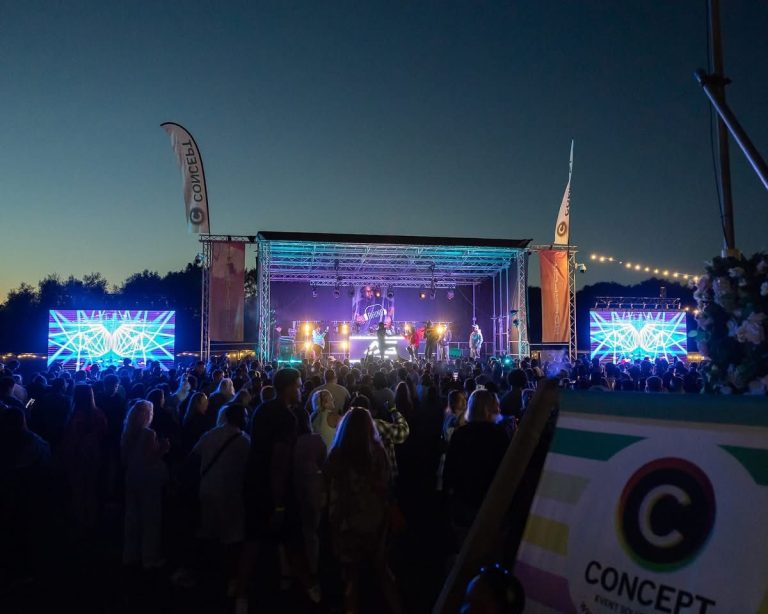
Planning a festival is exciting, but it’s often the behind-the-scenes decisions that determine whether the day is remembered for the right reasons. If you’re researching how to organise a festival, it’s easy to focus on booking bands and selling tickets, but experienced organisers know the infrastructure is just as important as the entertainment.
In this guide, we’ve listed the 9 things first-time organisers should get right before opening the gates. Think of it as your practical festival planning checklist, covering everything from licences and budgets to staging, power and weather planning. While this guide focuses on smaller festivals, the same principles apply to anyone wondering how to run a music festival successfully.
1. Nail Your Vision, Audience and Event Size
A successful festival starts with a clear purpose and a realistic scale.
Before booking suppliers or performers, decide exactly what kind of festival you’re creating. Is it a family event, food festival, community celebration or live music showcase?
Exploring small festival ideas early can help you shape a concept that suits your audience, budget and location. This could include a local food and drink festival, acoustic music event, family fun day, wellness festival or seasonal community celebration.
Knowing your audience helps determine everything from ticket prices to site layout. One of the biggest mistakes people make when learning how to organise an event is trying to make it too big too soon. Starting with a manageable event often leads to a far better experience and creates a strong foundation for future growth.
2. Build a Budget That Covers More Than the Obvious
A detailed budget prevents expensive surprises later.
Many organisers budget for performers and forget everything else.
Your event planning checklist should include:
- Venue hire
- Licences
- Insurance
- Staging
- Sound and lighting
- Power
- Toilets
- Security
- Marketing
- Staff and volunteers
- Waste management
- A contingency fund of around 10–15%
Having a realistic budget allows you to make informed decisions throughout the planning process.
3. Choose Your Site Carefully
A beautiful field isn’t necessarily an event-ready venue.
When considering locations, think beyond appearance.
Ask yourself:
- Is there enough vehicle access?
- Is there an existing power supply?
- Is there fresh water?
- Is the ground suitable for staging?
- What happens if it rains?
Many organisers underestimate how much infrastructure needs to be brought onto an empty site. Identifying these requirements early can save significant time and money.
4. Understand Licences and Insurance
The paperwork is just as important as the entertainment.
If you’re learning how to organise a festival, understanding the requirements for a festival licence in the UK should be one of your earliest priorities.
Depending on your event, this could include:
- Temporary Event Notices (TENs)
- Premises licences
- Alcohol licensing
- Public liability insurance
- Security requirements
- Local authority permissions
Requirements vary depending on your location and event size, so always speak to your local council well in advance.
5. Don’t Underestimate Your Power Requirements
Power is one of the biggest reasons small festivals run into problems.
Lighting, sound systems, food vendors, bars and production equipment all need electricity, and outdoor venues rarely provide enough.
Professional generator hire ensures your event has reliable power throughout the day, while experienced suppliers can also recommend the correct generator size and safe power distribution.
Planning power properly from the outset avoids costly last-minute upgrades or equipment failures.
6. Invest in the Right Stage, Sound and Production Equipment
Your production setup has a huge impact on the audience experience.
The size of your stage should reflect both your performers and your audience. Choosing equipment that’s too small can affect visibility, while oversizing increases unnecessary costs.
Consider:
- Appropriate staging
- PA and sound systems
- Lighting
- LED screens for larger crowds
Our event & festival stage hire solutions are designed for events of all sizes, while our audio-visual & PA hire and event lighting hire services help create a professional atmosphere from the first act until the final encore.
Larger occasions may also benefit from LED screens for events to improve visibility for audiences further from the stage.
If you’re looking for more detailed staging advice, read our guide to planning festival stage hire.
7. Plan for Comfort and British Weather
Guests remember how comfortable they felt almost as much as the entertainment itself.
British weather is famously unpredictable, making shelter a key consideration for any outdoor event.
A solid backup plan should include:
- Covered seating or gathering areas
- Protection for performers
- Suitable toilet provision
- Drinking water
- Waste disposal
- Mud management if conditions deteriorate
Professional marquee hire in Hertfordshire provides flexible shelter for audiences, food vendors and performers while helping your event continue regardless of the forecast.
8. Prioritise Safety and Crowd Flow
A well-planned site is safer and easier for everyone to enjoy.
Clear pedestrian routes, emergency access, first aid provision and trained stewards all contribute to a successful event.
Your health and safety planning should include:
- Entry and exit points
- Crowd management
- Emergency procedures
- Accessible routes
- Medical provision
- Clear signage
The earlier these considerations are built into your site plan, the easier they are to manage on the day.
9. Plan Your Promotion and Event-Day Schedule
A detailed run sheet keeps everyone working from the same plan.
Successful festivals rely on good communication.
Create a schedule covering:
- Supplier arrival times
- Stage setup
- Sound checks
- Performer timings
- Volunteer briefings
- Emergency contacts
- Pack-down arrangements
Using fewer suppliers wherever possible also makes logistics much simpler. Working with one experienced production partner for staging, power, lighting and infrastructure reduces communication issues and helps everything come together more efficiently.
When you’re ready to start planning, talk to our events team about creating a complete production package for your event.
Frequently Asked Questions
Do you need a licence to hold a small festival in the UK?
Yes. Depending on your event, you may need a Temporary Event Notice (TEN), a premises licence, alcohol licensing or other permissions from your local authority.
How much does it cost to put on a small festival?
Costs vary depending on venue, entertainment, infrastructure and attendance. Remember to budget for staging, power, toilets, security, insurance and contingency, not just performers.
How many toilets do you need at a festival?
A common rule of thumb is approximately one toilet for every 50 guests at smaller events, although this varies depending on event duration and alcohol provision.
What power supply do you need for an outdoor festival?
This depends on the equipment being used. Professional generator suppliers can calculate the correct power requirements based on your stage, lighting, catering and production equipment.
How far in advance should you plan a small festival?
For most first-time festivals, planning should begin at least three to six months in advance to allow enough time for licences, suppliers, marketing and ticket sales.
Summary
To summarise, organising a festival successfully isn’t just about booking great entertainment. Careful planning, realistic budgeting, reliable infrastructure and a well-organised production schedule are what separate memorable events from stressful ones.
By following this festival planning checklist, you’ll be well prepared to run a music festival that is safe, enjoyable and professionally organised. From power and staging to weather planning and crowd management, investing in the right infrastructure from the beginning will give your event the strongest possible foundation for success.