For festivalgoers, the time between performances often feels like a short pause before the next act takes the stage. Behind the scenes, however, artist changeovers are one of the most complex aspects of outdoor festival logistics. Every minute counts, and successful changeovers require careful planning, experienced crews, and the right infrastructure to keep the event running on schedule.
Whether you’re organising a one-day music event or a multi-day festival, understanding how artist transitions work can help you appreciate the importance of professional festival stage hire and event production planning.
Why Artist Changeovers Matter
A delayed changeover can have a ripple effect across an entire event schedule.
When one performance overruns or equipment isn’t ready for the next act, organisers can quickly find themselves dealing with delayed performances, frustrated audiences, and additional operational challenges. Effective outdoor festival logistics are designed to minimise downtime while ensuring every act has the equipment and support they need.
A professionally designed festival stage provides the space and infrastructure necessary to make these transitions as efficient as possible.
Planning Begins Long Before the Event
Successful artist changeovers start months before the festival gates open.
Production teams work closely with performers to gather technical specifications, stage plots, input lists, and equipment requirements. This information allows organisers to create detailed schedules and determine how equipment will move on and off the stage throughout the day.
Professional festival stage hire providers play a key role in this planning process by ensuring the stage design supports efficient equipment movement and crew access.
The Importance of Stage Layout
Many festivals use dedicated backstage areas where equipment can be prepared before performers take to the stage. Having clear access routes and sufficient storage space allows crews to quickly remove and replace instruments, amplifiers, and other technical equipment.
Choosing the right stage hire ensures there’s enough space for performers, technicians, and production crews to work safely without slowing down operations.
For larger events, mobile stage hire can provide additional flexibility, particularly when organisers need multiple performance areas or secondary stages.
Power and Technical Coordination
Sound systems, lighting rigs, video screens, and backline equipment all rely on a stable power supply. Any interruption can create delays and impact performance quality. This is why professional generator hire is often a crucial component of festival infrastructure.
Production teams also coordinate closely with sound engineers and lighting technicians to ensure settings are adjusted quickly for each performer. Equipment checks, microphone swaps, and programming updates often take place in minutes.
Event Lighting and Visual Transitions
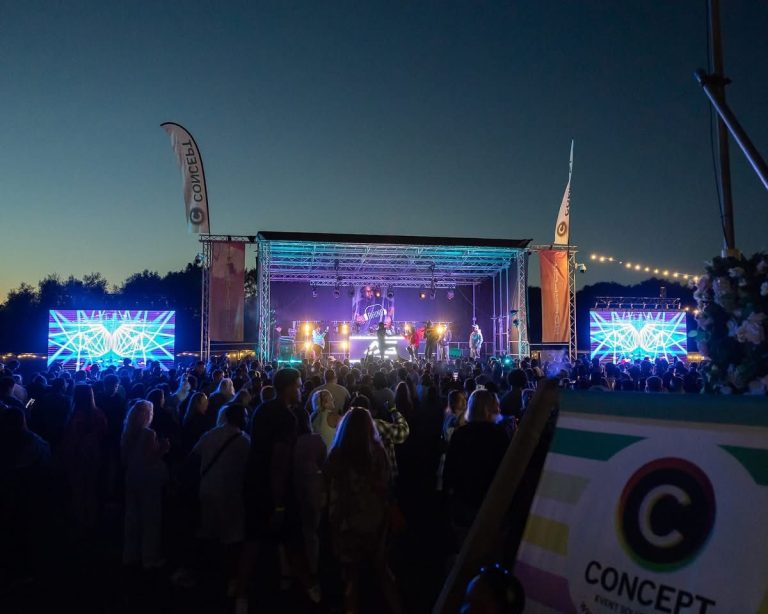
Strategic event lighting can help keep audiences engaged while crews work behind the scenes. Lighting effects, branded visuals, and ambient stage washes can maintain energy levels during short pauses between performances.
A professional stage is typically designed with integrated lighting infrastructure, allowing technicians to transition seamlessly from one act to the next.
Communication Is Everything
Perhaps the most important element of outdoor festival logistics is communication.
Stage managers, production crews, artists, security teams, and technical operators must all work together to keep the event on schedule. Clear communication channels help identify potential issues early and ensure everyone knows their responsibilities during each changeover. This level of coordination is one reason why experienced festival stage hire providers are so valuable to event organisers.
Final Thoughts
Artist changeovers may only last a few minutes, but they require hours of planning and coordination behind the scenes. Successful outdoor festival logistics depend on the right staging, reliable power, effective communication, and experienced production teams working together.
When everything is planned correctly, the audience barely notices the changeover at all, and that’s often the sign of a festival production team doing its job perfectly.