
Planning an event can take months of preparation, but surprisingly, some of the most important details don’t get noticed until the stage installation team arrives on site. Whether you’re organising a music festival, community event, corporate function, or outdoor performance, overlooking key staging considerations can lead to delays, additional costs, and unnecessary stress.
In this guide, we’ll cover the most common things organisers forget before their event stage hire and how to avoid them.
1. Site Access for Installation Vehicles
Poor site access is one of the most common causes of installation delays.
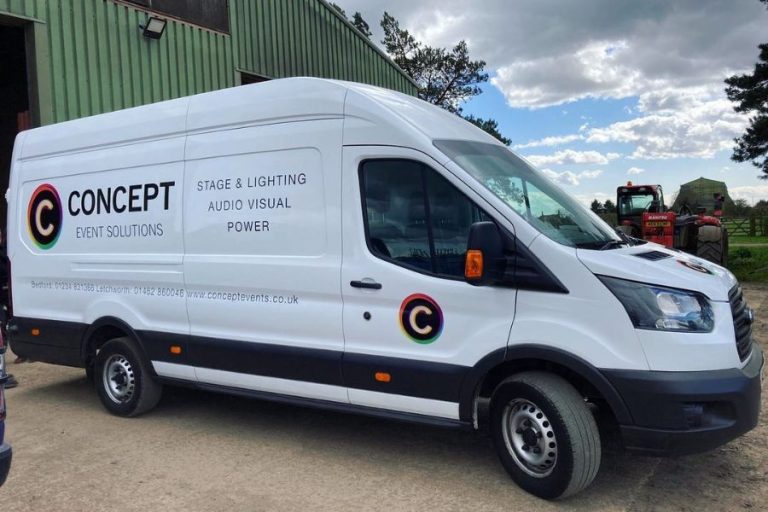
Many organisers focus on the event itself but forget to consider how staging vehicles and equipment will actually reach the installation area. Narrow gateways, low-hanging branches, uneven ground, or restricted access times can all slow down the setup process.
Before booking your stage hire, make sure your supplier has detailed information about access routes, loading areas, and any site restrictions. This is particularly important for larger structures and mobile stage hire installations.
2. Adequate Space Around the Stage
The stage footprint is often larger than organisers expect.
A common stage hire preparation mistake is measuring only the stage itself and forgetting about the surrounding space required for setup, rigging, backstage access, and safety barriers.
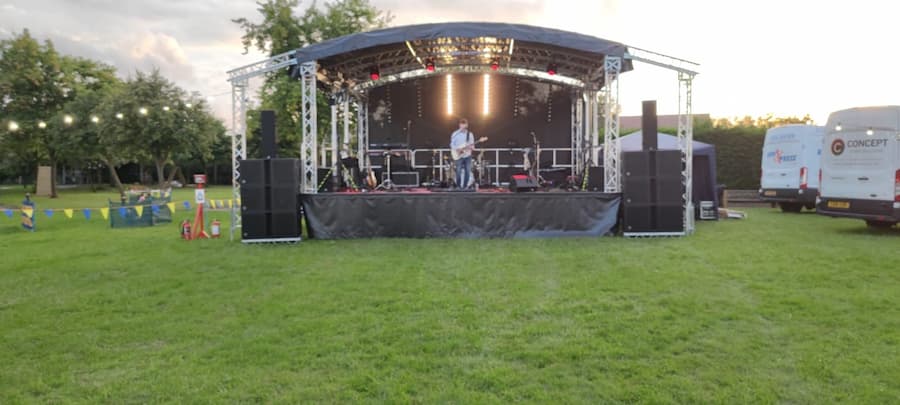
Whether you’re booking a small stage for hire or a large festival platform, ensure there’s enough room for installation crews to work safely and efficiently.
3. Power Requirements
Your stage is only as good as the power supporting it.
Lighting rigs, sound systems, LED screens, and production equipment all require reliable electricity. Many organisers assume power will be available on-site, only to discover limitations during installation.
This is why professional generator hire for events is often essential, especially for outdoor locations. Planning your power requirements early helps avoid last-minute technical challenges and ensures your event runs smoothly.
4. Ground Conditions
The condition of the ground can significantly affect stage installation.
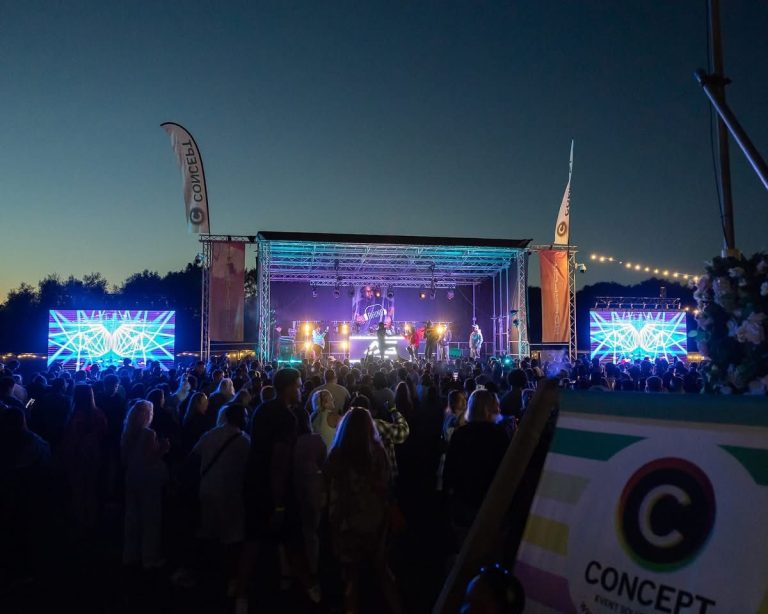
A field that looks perfectly suitable during a site visit may become muddy, uneven, or unstable after heavy rain. This is especially relevant when planning stage hire for festivals, where large structures and heavy equipment require stable foundations.
Your staging provider should be informed of the site conditions well in advance so they can recommend the most appropriate solution.
5. Technical Requirements and Production Planning
The stage must work with your production setup.
Many organisers focus on booking performers before confirming technical requirements. However, speakers, lighting rigs, video screens, and special effects all impact staging specifications.
Working with an experienced festival stage hire company ensures your stage can support the production equipment required for your event. This is particularly important for concerts, festivals, and large-scale outdoor performances.
6. Accessibility Considerations
Accessibility should be planned from the start, not added at the last minute.
Ramps, handrails, non-slip surfaces, and accessible backstage areas are often forgotten until installation day. Unfortunately, by then, making adjustments can be more difficult and costly.
Professional staging providers can help ensure your event stage hire includes the accessibility features needed to create an inclusive experience for performers, speakers, and guests.
7. Weather Contingency Plans
Outdoor events always need a backup plan.
Weather is one of the biggest variables affecting staging installations. Rain, wind, and extreme temperatures can impact both setup and event operations.
When arranging festival stage hire, discuss weather contingencies with your supplier. Covered stages, wind-rated structures, and appropriate ground protection can make a significant difference.
8. Realistic Installation Timelines
Stage installation takes longer than many organisers expect.
A common oversight in stage hire preparation is scheduling other suppliers to arrive before staging is complete. Sound, lighting, and production teams often rely on the stage being fully installed before they can begin work.
Allowing realistic setup and testing time helps avoid a domino effect of delays across the rest of your event production.
Final Thoughts
To summarise, the most common issues that arise on stage installation day include poor site access, insufficient space, inadequate power planning, unsuitable ground conditions, missing technical information, accessibility oversights, weather concerns, and unrealistic timelines.
By working with an experienced festival stage hire company and thoroughly planning your stage hire, you can avoid last-minute surprises and ensure a smoother installation.
Whether you’re arranging stage hire for festivals, corporate events, or community celebrations, taking the time to address these details early will help your event run safely, professionally, and successfully from the moment installation begins.