When planning an event, choosing the right type of stage can significantly impact logistics, budget, and your audience’s overall experience. Two of the most common options are mobile stage hire and traditional built staging. Each has its advantages depending on the type of event you’re organising, the venue, and the timeline you’re working with.
In this guide, we’ll compare temporary mobile staging with traditional stage builds to help you decide which solution is best for your event.
What Is Mobile Stage Hire?
A mobile stage hire setup is typically a trailer-mounted stage that can be transported to your event location and deployed quickly. These stages are designed for efficiency and convenience, with built-in roofing, rigging points, and structural support already integrated.
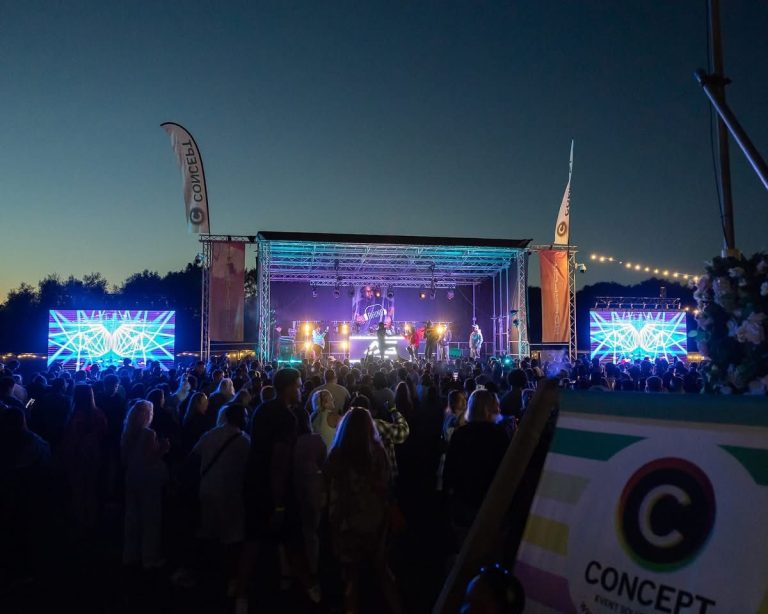
Because the stage folds out from a trailer, it can often be fully set up in under an hour. This makes it a popular option for festivals, outdoor performances, roadshows, and community events. Mobile concert stage hire is particularly common for music events where organisers need a professional stage without the long setup time of traditional staging.
Mobile stages are also weather-resistant and designed for outdoor use, making them ideal for the unpredictable conditions often experienced at outdoor events.
What Is Traditional Staging?
Traditional staging involves building a stage structure using modular platforms, trusses, and rigging components. These stages are assembled on-site, piece by piece, allowing greater customisation in terms of size, shape, and height.
This type of staging is often used for indoor conferences, theatre productions, large multi-level festivals, or events that require a very specific stage design. While traditional staging offers flexibility, it typically requires more time for setup and dismantling, as well as a larger crew to manage the installation.
Setup Time and Flexibility
One of the biggest advantages of mobile stage hire is the speed it offers. Mobile stages are designed for quick deployment, allowing them to be installed and ready for use much faster than traditional staging.
If your event schedule is tight or you’re hosting a one-day event, temporary mobile staging can significantly reduce setup time and labour costs. Traditional staging, on the other hand, may require several hours or even days to construct, depending on the size and complexity.
For touring shows or events held in multiple locations, mobile stages also offer the benefit of portability. A mobile concert stage hire solution can be transported easily from one venue to another, making it perfect for travelling events or roadshows.
Cost Considerations
Another common question event organisers ask… “How much is mobile stage hire?” The answer depends on several factors, including stage size, location, technical requirements, and event duration.
In many cases, mobile stage hire can be more cost-effective because the structure is pre-built and requires less labour to assemble. Traditional stages may involve higher installation costs due to the time and crew needed for construction.
However, if you require a very specific design or multiple performance levels, traditional staging may still be the better option despite the additional expense.
Best Use Cases for Each Option
Mobile stages are ideal for outdoor festivals, concerts, community events, brand activations, and touring productions. They offer a professional look, quick installation, and strong weather protection.
Traditional staging is often better suited for indoor conferences, theatre productions, large-scale productions with custom layouts, and events where the stage needs to be built around existing venue structures.
Final Thoughts
Choosing between mobile stage hire and traditional staging ultimately comes down to the needs of your event. If you’re looking for a quick, efficient, and portable solution, temporary mobile staging is often the best choice. For events that require a custom-built design or complex production setup, traditional staging may provide the flexibility you need.
By selecting the right stage solution, you’ll create a safe, professional platform that helps your event run smoothly and leaves a lasting impression on your audience. Need a hand? Contact us today!